






It’s a scenario many of us have faced: you start an exciting new skincare routine, only to find your skin suddenly covered in blemishes. Your immediate thought might be that the product is causing a terrible breakout.
However, you might actually be experiencing purging. Many people mistakenly confuse skin purging for a typical breakout, and vice versa. However, they are actually different.
If you’re wondering if your new skincare product is causing a terrible breakout or a beneficial purge, this article will clearly explain the distinctions between skin purging vs breakouts, so you can take the appropriate steps to care for your skin.
What Is Skin Purging?
Skin purging is a temporary, non-inflammatory reaction to new active ingredients that significantly increase the rate of cell turnover. Think of it as a deep clean for your skin.
These powerful ingredients accelerate the natural exfoliation process, which quickly brings all the underlying congestion, micro-comedones, and trapped sebum to the surface. Essentially, the ingredients from your new skincare product are accelerating the life cycle of blemishes that were already forming beneath your skin, causing them to appear more rapidly.
The most important thing to note is that purging ultimately leads to smoother, clearer skin because it successfully clears out congestion that would have otherwise led to slower, more painful breakouts in the future.
What Causes Skin Purging?
Purging is a specific response triggered by certain classes of active ingredients. The most common cause is the use of products containing retinoids (like retinol).
Other ingredients known to cause purging include:
- Alpha-Hydroxy Acids: Glycolic acid, Lactic acid, Mandelic acid
- Beta-Hydroxy Acids: Salicylic acid, Betaine salicylate, Willow bark extract
- Some Exfoliating Enzymes: Papain (from papaya), Bromelain (from pineapple), Pumpkin enzymes
As mentioned above, these ingredients all work by signalling the skin cells to regenerate and shed more quickly within the follicle, which then forces plugs of oil and dead cells to exit the pore faster.
This process effectively speeds up the blemishes’ cycle, meaning that what you see now as new blemishes is what was developing before the product was introduced, leading to clearer skin after the purge completes.
This purging is a specific, expected reaction to these cell-communicating and exfoliating ingredients, rather than general irritation or an allergic reaction to a new moisturiser or cleanser.
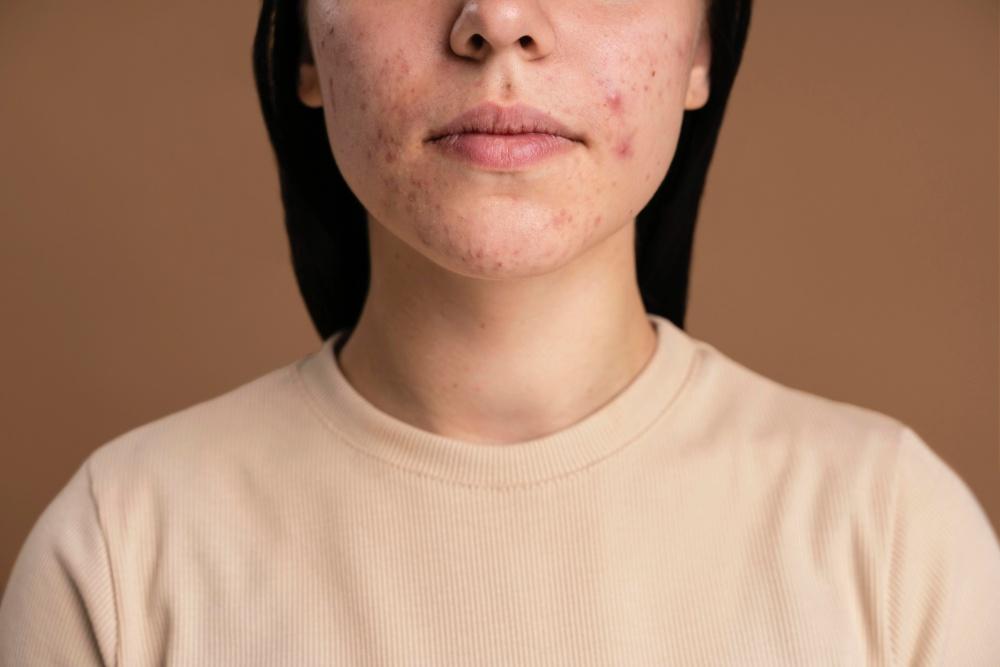
Skin Purging vs Breakout: How Do You Know Which is Which?
Differentiating between purging and breakouts is crucial for determining whether to continue using a new product or discard it.
In general, if you are experiencing new blemishes in areas that are usually clear for you, it is more likely a traditional breakout (meaning general acne). However, if you notice a rapid increase in spots and congestion in areas where you typically experience blemishes after introducing a new active ingredient, it is most likely a purging reaction.
| Characteristics | Purging | Breakouts |
| Onset | Usually occurs shortly (days to a couple of weeks) after introducing a new active product. | Can happen anytime, often linked to lifestyle, hormones, or general product irritation. |
| Location | Typically occurs only in areas where you consistently get congestion or acne. | Can appear anywhere, including areas that are usually clear. |
| Duration | Generally short-lived, with blemishes healing quickly. | Lasts longer, with blemishes forming and healing slowly, sometimes persistently. |
| Appearance | Often manifests as small whiteheads, tiny red bumps, or pre-existing blackheads coming to the surface. | Tends to manifest as deeper, more painful pustules, nodules, or cysts, often accompanied by significant redness. |
How Long Does a Skin Purge Last?
As mentioned above, purging is typically short-lived. It should generally last only a few weeks, usually aligning with your skin’s full natural cell turnover cycle, which is about 28 days for most adults.
However, the exact length can vary based on your individual skin type, the strength and concentration of the active ingredient you are using, and the level of underlying congestion that the product needs to clear.
If your skin issues persist beyond six to eight weeks after introducing the new product, it is highly likely that the reaction is not purging but a full-blown breakout or an adverse reaction, requiring you to reassess the product or seek professional advice.
Managing Your Purge and When to Seek Help
If you determine that you are experiencing purging, the best advice is simple: stick with the product and be patient. Do not introduce any other new actives, avoid picking or popping the blemishes, and focus on using gentle, barrier-supportive skincare. This is to help minimise irritation and promote healing.
If the blemishes are deep, painful, occurring in new areas, or persist well beyond the eight-week mark, it may be time to seek professional help. Professional treatments from a trusted aesthetic clinic, such as certain types of acne laser therapy, may be more effective in managing acne and helping to prevent long-term scarring.
Don’t let skin purging derail your progress. Book a consultation with V Medical Aesthetics today to find your personalised path to a clear, radiant complexion.