






Acne is a highly common skin condition, but not all spots are created equal. One of the most prevalent and often persistent forms of acne is bacterial acne, a condition linked to the presence of specific microbes on the skin.
Recognising bacterial acne is key, as it requires antibacterial treatments to be properly managed. This guide will walk you through how to identify bacterial acne so you can seek the most appropriate treatment plan.
What Is Bacterial Acne?
Bacterial acne is an inflammatory skin condition that involves bacteria, particularly Cutibacterium acnes (formerly known as Propionibacterium acnes). While these bacteria exist naturally on everyone’s skin, the issue arises when they begin to overgrow within the hair follicles.
This overgrowth, combined with trapped sebum (oil) and dead skin cells, creates a perfect storm. The bacteria feed on the sebum, multiply rapidly, and their waste products trigger an intense immune response from the body. This response is what causes the inflammation and the formation of characteristic red, swollen, and sometimes painful lesions.
What Causes Bacterial Acne?
As explained above, the development of bacterial acne begins with the environment inside the hair follicle. Here is a breakdown of the chain of events that trigger the formation of bacterial acne:
- Excess Sebum Production: Factors like hormonal changes and genetics can lead to oily skin and the overproduction of sebum, providing the bacteria with abundant fuel.
- Clogged Pores: Dead skin cells fail to shed properly and mix with the excess sebum, forming a plug that blocks the pore. This creates the oxygen-poor, oily environment where Cutibacterium acnes flourishes.
- Bacterial Overgrowth: The rapid multiplication of the acne bacteria triggers inflammation. The body’s immune system attempts to fight this infection, leading to the redness, swelling, and pus-filled lesions associated with this type of acne.
In essence, any factor that promotes excess oil production (such as hormonal fluctuations) or leads to clogged pores creates an environment conducive to the overgrowth of these bacteria.
How Do You Know If Your Acne is Bacterial?
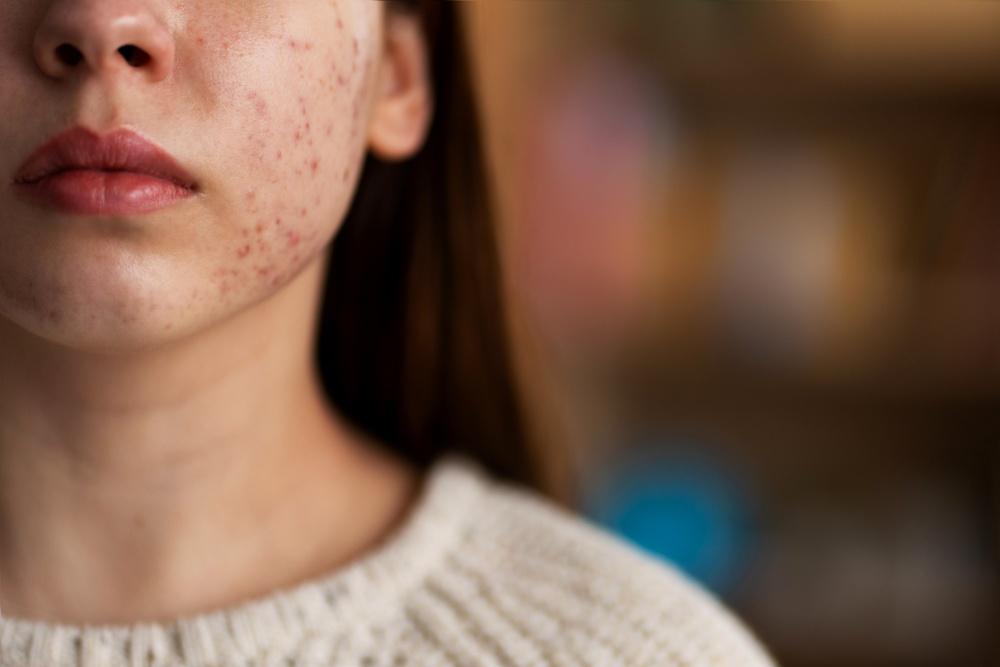
The appearance of the blemishes themselves is the strongest indicator. Bacterial acne typically manifests as inflammatory lesions, such as:
- Red Bumps (Papules): Small, red, raised bumps that may feel tender to the touch.
- Whiteheads (Pustules): Bumps that are swollen, red at the base, and contain a visible accumulation of white or yellowish pus at the centre.
- Cysts and Nodules: In severe cases, lesions penetrate deeper into the skin, forming large, painful, and hard lumps beneath the surface.
Additionally, this type of acne commonly appears on the face (especially the forehead and chin), the chest, and the back, often referred to as “bacne.”
But how do you know if your acne is fungal or bacterial? Fungal acne (Pityrosporum folliculitis) usually presents as uniform, small, itchy red bumps that look like a rash and often resist traditional acne treatments.
In contrast, bacterial acne is often more varied in size and contains pus. Bacterial acne is also distinct from comedonal acne (which is non-inflammatory and includes simple blackheads and whiteheads without significant redness) and hormonal acne (which typically appears around the jawline and chin and flares cyclically).
How Do You Get Rid of Bacterial Acne?
The treatment and management strategy for bacterial acne mainly focuses on reducing the bacterial count, calming inflammation, and controlling oil production.
For mild cases, over-the-counter and topical treatments could be an option. This includes:
- Benzoyl Peroxide: This ingredient works by killing the acne bacteria and helping to exfoliate the pores.
- Topical Antibiotics: Ingredients like clindamycin or erythromycin are often prescribed to be used alongside benzoyl peroxide to directly combat the bacteria.
For more moderate cases, a professional may deem oral antibiotics necessary to reduce inflammation and bacteria throughout the body. Beyond medication, it is essential to follow a consistent and gentle skincare routine. This means not scrubbing or picking at the blemishes, as this can spread the bacteria and lead to scarring. It is also advised to use gentle cleansing and refrain from harsh, irritating products, which can compromise the skin barrier and worsen inflammation.
In more severe cases or for individuals who do not respond well to topical solutions, there are acne laser therapies offered by aesthetic clinics in Singapore, which could help manage stubborn bacterial breakouts. These treatments work by addressing the acne bacteria and inflammation deep within the follicle while stimulating skin renewal to address acne and scarring.
Find Ways to Manage Bacterial Acne Today
Recognising bacterial acne by its inflammatory characteristics is your most powerful tool in the fight for clear skin. Since bacterial acne requires proper antibacterial care, understanding your condition is crucial for successful management.
If you are struggling to manage your bacterial acne or are unsure how to proceed, seek professional advice. Schedule a consultation with V Medical Aesthetics today for a personalised treatment plan.